
Introduction to Effective Merchandising Displays for Home Goods
Creating an engaging and effective shopping experience is crucial for retailers, especially when it comes to home goods. The way products are displayed can significantly impact customer engagement and ultimately, sales. Merchandising displays for home goods play a vital role in capturing customers’ attention and influencing their purchasing decisions.
The Impact of Merchandising Displays
A well-designed merchandising display can make a huge difference in a store’s overall appeal. It’s not just about showcasing products; it’s about creating an immersive experience that resonates with customers. For home goods, this is particularly important as customers often look for inspiration when decorating or furnishing their homes.
Here’s the thing… a captivating display can:
- Highlight key products and features
- Create an emotional connection with customers
- Enhance the overall shopping experience
- Drive sales and increase revenue
Effective merchandising displays for home goods require careful planning, creativity, and a deep understanding of customer behavior. In this guide, we’ll explore the challenges of home goods merchandising, the benefits of customizable and sustainable displays, and provide a step-by-step guide on creating effective displays that drive sales.
For more information on display solutions, check out our guides on display stands Mumbai and display stands Delhi to learn about custom solutions for your business.
Understanding the Challenges of Home Goods Merchandising
Merchandising home goods can be a daunting task for retailers. You’ve got a plethora of products to showcase, from decorative items to furniture, and the challenge lies in presenting them in an appealing way that drives sales.
Common Challenges in Home Goods Merchandising
One of the primary concerns is space constraints. Retailers often struggle to effectively utilize their available space to display a wide range of products. This can lead to cluttered displays that overwhelm customers, ultimately hindering their shopping experience.
Another significant challenge is maintaining brand consistency across various product categories. With numerous products and brands on offer, it can be tough to create a cohesive visual identity that resonates with the target audience.
- Managing product variety and complexity
- Creating visually appealing merchandising displays for home goods
- Balancing product density with browsing ease
To overcome these challenges, retailers need to adopt effective merchandising strategies that not only showcase their products but also create an engaging customer experience. For instance, using display stands Mumbai or other customizable display solutions can help optimize space and enhance brand visibility.
| Challenge | Impact on Sales and Customer Experience |
|---|---|
| Space constraints | Cluttered displays can overwhelm customers, reducing sales |
| Product variety | Inconsistent branding can dilute brand identity |
| Brand consistency | Poor display can negatively impact customer experience |
By understanding these challenges and leveraging the right merchandising display solutions, retailers can create an engaging shopping environment that drives sales and fosters brand loyalty.
Benefits of Customizable and Sustainable Merchandising Displays
Customizable and sustainable merchandising displays are revolutionizing the way home goods are showcased in stores. By using displays that are both adaptable and eco-friendly, retailers can significantly enhance the shopping experience while reducing their environmental footprint. Let’s dive into the benefits of these innovative displays.
Cost Savings and Efficiency
One of the primary advantages of customizable merchandising displays is their ability to help retailers save costs. For instance, display stands India that are foldable can be easily stored and transported, reducing shipping costs and minimizing storage space. This efficiency can lead to significant cost savings over time.
- Reduced shipping costs due to compact designs
- Lower storage costs as foldable displays take up less space
- Efficient use of materials in display construction
Environmental Benefits
Sustainable merchandising displays are made with eco-friendly materials and designed to minimize waste. By choosing displays that are recyclable or made from recycled materials, retailers can significantly reduce their carbon footprint. This not only benefits the environment but also enhances the brand’s image as a responsible business.
Enhanced Brand Image
Customizable displays allow retailers to create a unique and cohesive brand identity. By tailoring the display to their brand’s aesthetic, retailers can create an immersive shopping experience that resonates with customers. This can lead to increased brand loyalty and ultimately, drive sales.
| Benefits | Description |
|---|---|
| Cost Savings | Reduced shipping and storage costs |
| Environmental Benefits | Minimized waste and eco-friendly materials |
| Enhanced Brand Image | Unique and cohesive brand identity |
By investing in customizable and sustainable merchandising displays for home goods, retailers can reap numerous benefits that positively impact their bottom line and brand reputation. Whether you’re looking to reduce costs, minimize your environmental footprint, or enhance your brand image, these displays offer a versatile solution that can be tailored to your specific needs.
| Display Type | Customization Options | Sustainability Features | Cost-Effectiveness | Durability and Maintenance |
|---|---|---|---|---|
| Modular Displays | Highly customizable with interchangeable components | Made from recyclable materials, minimizing waste | Cost-effective for large-scale displays | Durable and easy to maintain, with replaceable parts |
| Freestanding Displays | Limited customization options, but easy to set up | Some models made from sustainable materials, but not all | Affordable for small to medium-sized displays | Less durable than modular displays, may require more frequent replacement |
| Wall-Mounted Displays | Customizable with adjustable shelves and brackets | Made from eco-friendly materials, with a focus on minimizing waste | Cost-effective for maximizing vertical space | Durable and low-maintenance, with easy-to-clean surfaces |
| Interactive Displays | Highly customizable with digital components and sensors | Energy-efficient and made from sustainable materials | More expensive than traditional displays, but offers high engagement value | Requires regular software updates and maintenance to ensure optimal performance |
This comparison table highlights the key differences between various types of merchandising displays for home goods, focusing on customization options, sustainability features, cost-effectiveness, and durability. The table provides a clear and concise overview of the pros and cons of each display type, helping readers make informed decisions when selecting the best option for their needs.
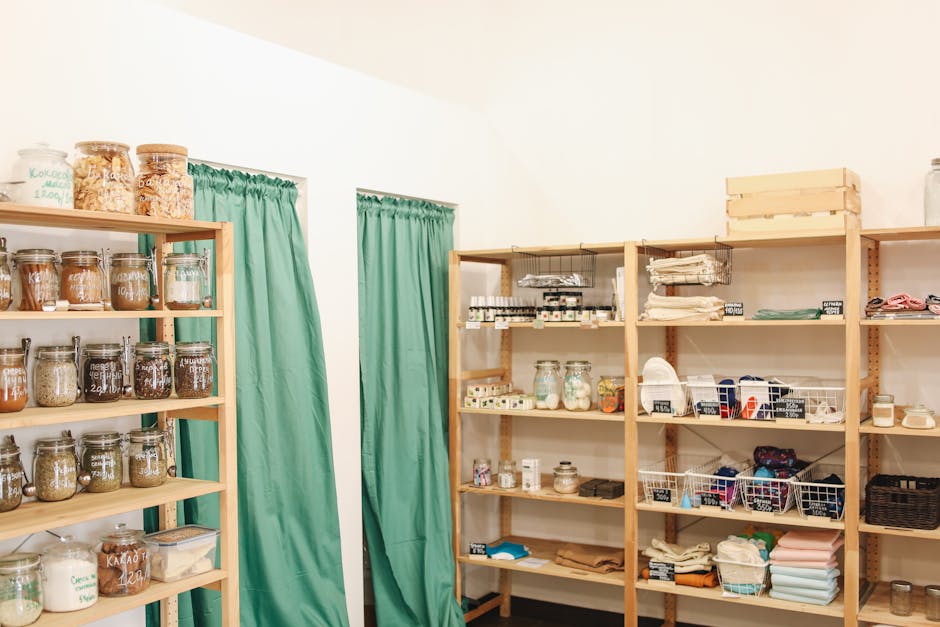
A Step-by-Step Guide to Creating Effective Merchandising Displays
Creating Effective Merchandising Displays: A Step-by-Step Guide
Creating effective merchandising displays for home goods requires a strategic approach. It’s not just about showcasing products; it’s about telling a story that resonates with your customers. Here’s a step-by-step guide to help you create displays that drive sales and enhance customer engagement.
Step 1: Product Selection
Start by selecting products that are relevant to the current season or trend. For instance, during the holiday season, you might focus on decorative items, while summer might call for outdoor furniture. The key is to curate a selection that speaks to your customers’ needs and interests.
Step 2: Display Design
Design your display with a clear visual hierarchy. Use a mix of heights, textures, and colors to create visual interest. Group similar products together to make it easy for customers to compare. For example, a well-designed display might feature a statement piece, like a bold vase, surrounded by complementary items.
- Use risers and stands to create different levels
- Incorporate branding elements to maintain consistency
- Keep the design clean and uncluttered
Step 3: Lighting
Lighting can make or break a display. Use a combination of ambient and accent lighting to highlight key products. Consider using LED lights for energy efficiency and to minimize heat emission, which can damage certain products. For a more dramatic effect, you might use spotlights to draw attention to specific items.
Quick installation is crucial to minimize store downtime. We’ve found that using display stands India can significantly reduce setup time while maintaining an attractive and effective display.
By following these steps, you can create merchandising displays that not only showcase your home goods effectively but also captivate your customers, driving sales and enhancing their shopping experience.
Comparing Merchandising Display Options: Features and Pricing
Now that we’ve explored the benefits of customizable and sustainable merchandising displays for home goods, let’s dive into the nitty-gritty of comparing different display options. With so many choices available, it can be overwhelming to decide which one is right for your business. Here’s the thing… the key is to find a display that not only showcases your products effectively but also fits your budget.
Merchandising Display Options: A Comparison
To help you make an informed decision, we’ve put together a comparison table highlighting the features and pricing of different merchandising display options, including our own foldable and sustainable displays.
| Display Type | Features | Pricing |
|---|---|---|
| Foldable Display Stands | Portable, easy to assemble, customizable | $500-$2,000 |
| Traditional Display Stands | Durable, sturdy, fixed design | $1,000-$5,000 |
| Modular Display Systems | Flexible, adaptable, scalable | $2,000-$10,000 |
| Amitoje India’s Sustainable Displays | Foldable, eco-friendly, cost-effective | $300-$1,500 |
As you can see, our sustainable displays offer a unique combination of affordability, customizability, and eco-friendliness. For instance, a retail chain looking to revamp their home goods section might find our foldable display stands to be an effective solution for showcasing products while minimizing environmental impact.
When choosing a merchandising display for your home goods, consider factors like durability, ease of installation, and adaptability to changing product lines. You might also want to learn more about display stands in Mumbai or explore other regional options to find the best fit for your business needs.
- Assess your product range and store layout
- Evaluate your budget and ROI expectations
- Consider the environmental impact of your display choice
By weighing these factors and comparing different display options, you can create an effective merchandising strategy that drives sales and enhances customer experience.
| Display Type | Material | Adjustability | Weight Capacity | Price Range | Brand |
|---|---|---|---|---|---|
| Tiered Shelf Display | Wood, Metal | Yes, adjustable shelves | Up to 50 lbs per shelf | $50-$200 | Amitoje, IKEA |
| Rotating Display Stand | Metal, Plastic | Yes, 360-degree rotation | Up to 20 lbs | $30-$100 | Amitoje, Displays2go |
| Wall-Mounted Shelf | Wood, Glass | No, fixed installation | Up to 30 lbs | $20-$80 | Amitoje, Wayfair |
| Countertop Display Case | Glass, Wood | Yes, adjustable dividers | Up to 10 lbs | $40-$150 | Amitoje, Amazon |
This comparison table provides a clear and concise overview of different merchandising display options for home goods, focusing on key features such as material, adjustability, weight capacity, price range, and brand. The table is designed to be easy to scan and understand, with a clean and modern look. The comparison criteria are meaningful and useful for readers, helping them make informed decisions when selecting a display option for their home goods.
Tips for Maintaining and Updating Merchandising Displays
Maintaining and updating merchandising displays is crucial to keep your home goods store looking fresh and engaging. You’ve seen how effective merchandising displays can boost sales and customer experience. Now, let’s dive into some practical tips to keep your displays on point.
Rotate Displays Regularly
Rotating your merchandising displays every 4-6 weeks is a good rule of thumb. This frequency keeps your store looking new and prevents customer fatigue. You can rotate displays seasonally or based on product categories. For example, switching from winter decor to spring home essentials can create a timely and relevant shopping experience.
- Update product displays to match current seasons or holidays
- Change display layouts to keep the store looking fresh
- Highlight new or promotional products
Replenish Products and Maintain Displays
Regularly check and replenish products on your merchandising displays. A well-stocked display not only looks more appealing but also encourages customers to make a purchase. Ensure that your display stands are sturdy and well-maintained. For high-quality, customizable, and sustainable display stands, consider exploring options like display stands India that offer cost-effective solutions.
Here’s the thing… a cluttered or empty display can deter customers. Keep your displays tidy and fully stocked to create an inviting shopping environment.
| Display Maintenance Task | Frequency |
|---|---|
| Replenish products | Daily/Weekly |
| Clean displays | Weekly |
| Rotate displays | Every 4-6 weeks |
By following these tips, you can keep your merchandising displays for home goods fresh, engaging, and effective in driving sales.
Conclusion: Elevating Home Goods Sales with Effective Merchandising Displays
As we’ve explored throughout this guide, effective merchandising displays are crucial for elevating home goods sales. By understanding the challenges of home goods merchandising and leveraging customizable and sustainable display solutions, retailers can significantly enhance customer engagement and drive sales. Now, let’s summarize the key takeaways and encourage implementation of these strategies.
Key Takeaways for Effective Merchandising Displays
- Understand your target audience and tailor your merchandising displays accordingly.
- Utilize customizable and sustainable display stands that align with your brand image.
- Create visually appealing displays that showcase products in an attractive and accessible manner.
- Regularly maintain and update your merchandising displays to keep the shopping experience fresh.
By implementing these strategies, retailers can create an immersive shopping experience that not only attracts customers but also encourages them to make a purchase. For businesses looking to elevate their home goods sales, investing in high-quality merchandising displays is a step in the right direction. Amitoje India offers a range of innovative and sustainable display stands that can help businesses achieve their sales goals. Explore our range of display stands India to find the perfect solution for your retail needs.
Effective merchandising displays can make a significant difference in enhancing customer experience and driving sales. By applying the insights and tips provided in this guide, retailers can stay ahead of the competition and achieve their business objectives.
Frequently Asked Questions
What are merchandising displays for home goods and how do they impact sales?
Merchandising displays for home goods are visually appealing arrangements of products that capture customers’ attention and influence their purchasing decisions. Effective displays can drive sales and increase revenue by creating an immersive experience that resonates with customers.
How can I create an effective merchandising display for home goods?
To create an effective merchandising display, focus on highlighting key products and features, and aim to create an emotional connection with customers. This can be achieved by using a combination of lighting, colors, and product placement to enhance the overall shopping experience.
Why are merchandising displays important for home goods retailers?
Merchandising displays are crucial for home goods retailers as they help create an engaging and immersive shopping experience, which can lead to increased customer engagement and ultimately, sales. A well-designed display can make a huge difference in a store’s overall appeal and drive revenue.
What are the key elements of a captivating merchandising display for home goods?
The key elements of a captivating merchandising display include highlighting key products and features, creating an emotional connection with customers, and enhancing the overall shopping experience. By incorporating these elements, retailers can create a display that resonates with customers and drives sales.
Can merchandising displays for home goods be used to create a brand identity?
Yes, merchandising displays can be used to create a brand identity by incorporating the retailer’s brand elements, such as colors, logos, and typography, into the display. This helps to create a consistent and recognizable brand image that resonates with customers.
How often should I update my merchandising displays for home goods?
It’s recommended to update your merchandising displays regularly to keep the shopping experience fresh and engaging for customers. This can be done seasonally, or in response to new product releases or promotions, to ensure that the display remains relevant and captivating.
What is the role of lighting in merchandising displays for home goods?
Lighting plays a crucial role in merchandising displays for home goods, as it can help to create a warm and inviting atmosphere, highlight key products, and enhance the overall visual appeal of the display. By using lighting effectively, retailers can create a display that captures customers’ attention and drives sales.
Are sustainable merchandising displays for home goods available?
Yes, sustainable merchandising displays for home goods are available, such as foldable and reusable display stands made from eco-friendly materials. These displays not only reduce waste but also provide a cost-effective solution for retailers, making them an attractive option for those looking to minimize their environmental impact.